


My wife and I just came home from Bali. Second time we’ve ever been there. We have no friends in Bali. No connections. No fixer on the ground. No familiarity with the place beyond our first short visit years ago.
And yet this was one of the smoothest, most well-paced vacations we’ve ever taken.
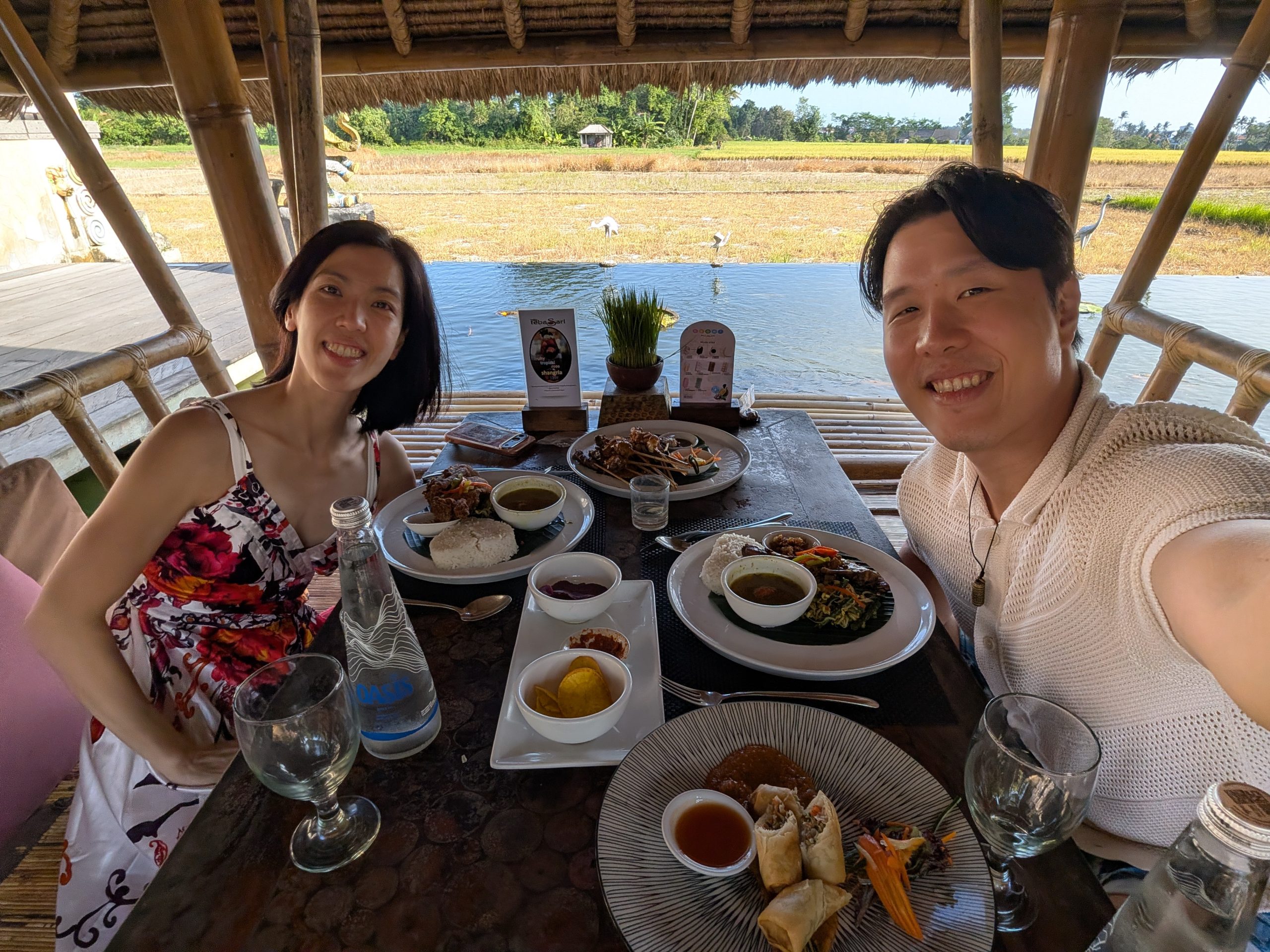
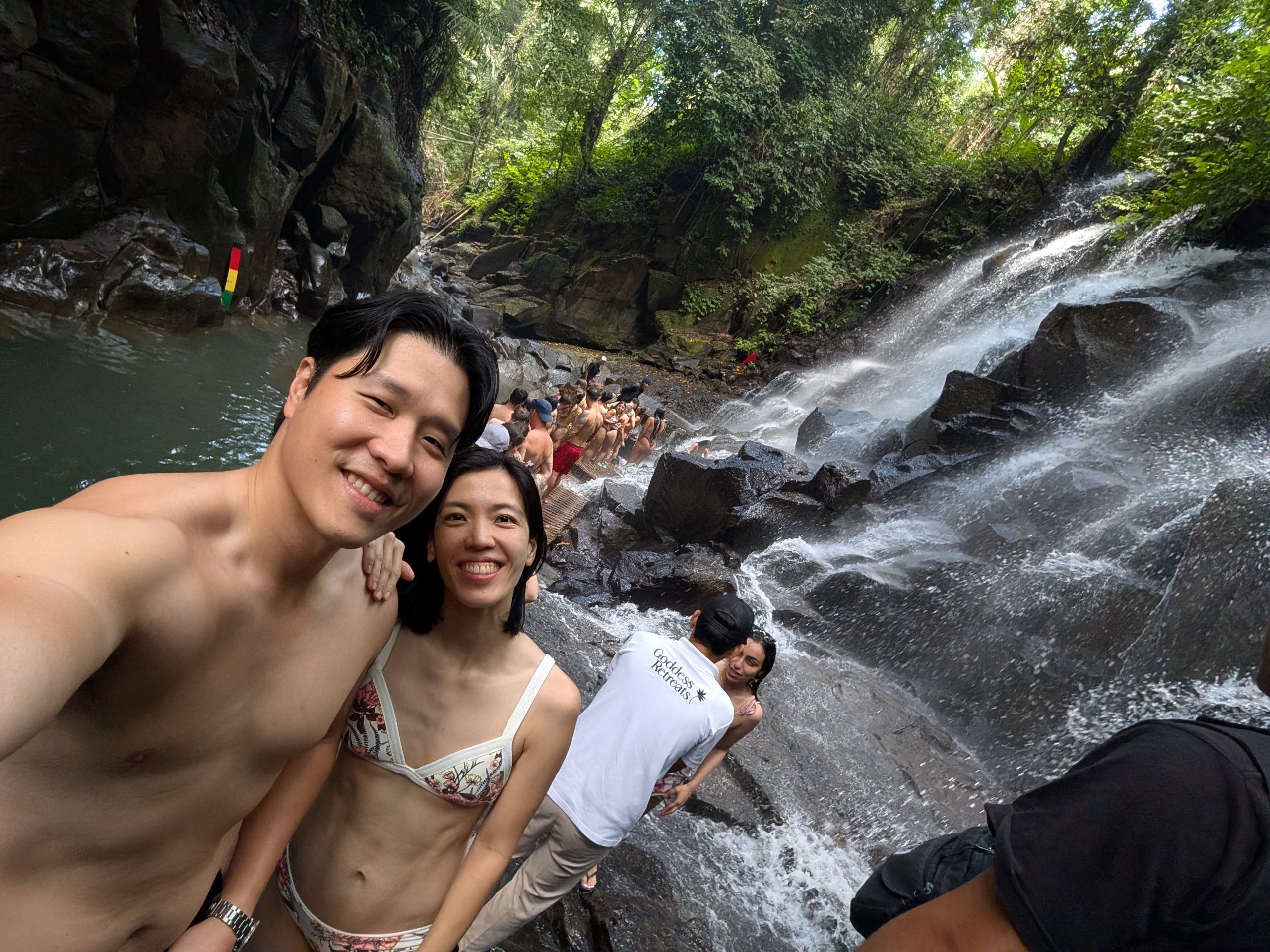
Great food. Great routes. Great timing. No exhausting days. No wasted hours sitting in traffic. Lots of photos, lots of experiences, and real, unhurried time together as a couple exploring the island.
Here’s the part worth writing about:
The entire trip was planned by AI.
The Six-Digit Quote
We started the way most Filipino families would — we inquired through a travel agency, referred by a friend. We handed them our dates, our rough preferences, and asked for a quote.
The quote came back six digits more expensive in Philippine pesos than what we ended up spending.
Not a small difference. Not a rounding error. Six digits.
So we didn’t push through. Instead, I went deeper with the tools I already use every day — ChatGPT, Claude, and Athena, my personal AI agent who’s connected to my Obsidian second brain. Every note I’ve written about what I like, how I travel, what pace my wife and I enjoy, what kind of food we look for, what kind of hotels feel right — Athena has context on all of it. She knows us.
We asked AI where to eat, what to visit, how to sequence our days, and how to route around Bali’s traffic — which, if you’ve been, is absolutely no joke around Ubud. The roads are narrow, the scooters are relentless, and one wrong turn at the wrong hour means you’re sitting still for forty minutes watching motorbikes weave past you.
AI told us when to leave Ubud center and when to come back to avoid the worst of it. It recommended the hotel, the resort, the boat to book, and the restaurants worth reserving. It even suggested the order — which area to hit first based on where we were sleeping, so we never backtracked.
We followed the plan. It worked.
The Cadence Nobody Talks About
Here’s something travel agencies rarely get right: pacing.
Package tours cram your days full because more stops look like more value on paper. Seven attractions in one day sounds like a steal — until you’re dragging yourself back to the hotel at 9pm, sunburned and irritable, realizing you didn’t actually enjoy any of it. You come home from vacation needing a vacation. We’ve all experienced that.
Because we planned with AI — iterating on the itinerary, asking it to adjust, pushing back when something felt too packed, requesting alternatives when a restaurant didn’t feel right — we got the cadence exactly right.
Not too cramped. Never too tired. Full days that still had breathing room. We were at the right places at the right times, avoided the crowds and the traffic, and had unhurried time together as a couple.
That pacing is the difference between a trip you survive and a trip you savor.
Try doing that with a package tour. The agency has a template. The template has a margin to protect. You get what they’ve always given everyone else. AI gives you what you actually want — because you can tell it, and it listens, and it adjusts.
Everybody Won
Here’s the insight that matters if you run a business.
We saved six digits. But the hotels, the resort, the boat operator, the restaurants — they all still made money. They got us as customers. Real bookings, real revenue, real foreign spend entering their businesses.
The only party that lost revenue in this story is the middleman who priced themselves out — and the businesses that AI didn’t recommend.
Read that again from a business owner’s lens.
AI recommended specific hotels. Specific restaurants. A specific boat operator. Those recommendations literally made business for those companies. We had never heard of most of them. We had no friends to ask. We had no TripAdvisor deep-dive energy. AI was our trusted advisor, and whoever AI named got our money.
Think about what that means. A hotel in Bali that AI recommended is now getting Filipino tourists who would have otherwise gone through a travel agency — or gone somewhere else entirely. A boat operator who AI named is getting bookings from people who didn’t even know his company existed thirty seconds before asking ChatGPT.
That’s not advertising. That’s not SEO in the traditional sense. That’s a machine making purchase decisions on behalf of a human — and the businesses that show up in those recommendations are winning without spending a peso on ads.
The Lesson for Every Business

This is how buying decisions work now.
People ask AI first. They plan with AI. They book what AI recommends. The businesses that AI cites are winning customers they never had to advertise to. The businesses that AI doesn’t know exist are invisible to a growing segment of the market — and they don’t even know they’re losing.
I’ve been in the SEO industry for sixteen years. I’ve watched search evolve from keyword stuffing to content marketing to technical SEO to E-E-A-T. Every shift required businesses to adapt or get left behind. But this one is different.
This one is different because the searcher isn’t even looking at a results page anymore. There’s no “ten blue links” to scroll through. There’s no second page to ignore. There’s just an answer — spoken or typed by an AI — and your business is either in that answer or it isn’t.
We call this Answer Engine Optimization, or AEO. It’s the next evolution of what SEO Hacker has been doing for over a decade — except now, the playing field isn’t Google’s search results page. It’s ChatGPT’s response. It’s Claude’s recommendation. It’s Perplexity’s citation. It’s Gemini’s answer box.
If you’re not intentional about being recommended by AI — across ChatGPT, Gemini, Claude, and Perplexity — you’re missing out on customers who are ready to spend, today. Not next quarter. Not after your funnel matures. Today.
How You Actually Show Up
So what do you do about it?
First, you need to know where you stand. That’s what RankSeer was built for. We track your brand’s Share of Voice across AI platforms — meaning we measure how often AI recommends your business compared to your competitors when someone asks about your category. If someone asks ChatGPT “best digital marketing agency in the Philippines” and your competitor shows up but you don’t, you need to know that. Right now, most businesses have no idea.
Second, you need to do the work to get recommended. That’s what SEO Hacker does. We don’t just audit your visibility — we build the content, the authority signals, and the structured data that make AI platforms cite you. AI is reshaping how work gets done, and it’s reshaping how customers find you too.
Third, you need to treat this as a channel — not a fad. Down years are building years, and the businesses that invest in AEO now — while their competitors are still debating whether AI search is “real” — will own the recommendation layer for the next decade.
The Customer’s Side of the Table
My Bali trip was proof of concept — from the customer’s side of the table.
I’m a consumer. I had money to spend. I had a problem to solve (plan a vacation). I asked AI for help. AI gave me answers. I followed those answers. Money changed hands.
That’s the entire funnel. No ads. No retargeting. No email sequences. No brand awareness campaigns. Just a question, an answer, and a booking.
Now flip the table. You’re the business owner. Someone, somewhere, is asking AI about your category right now. “Best hotel in Bali.” “Top SEO agency in Manila.” “Best restaurant near Seminyak.” Is your business in that answer?
Make sure you’re on the winning side of that conversation.
If you want to see how visible your brand is across AI platforms, check your Share of Voice on RankSeer. If you need help getting recommended by AI, talk to us at SEO Hacker. We’ve been doing this for sixteen years — and this next chapter is the most important one yet.